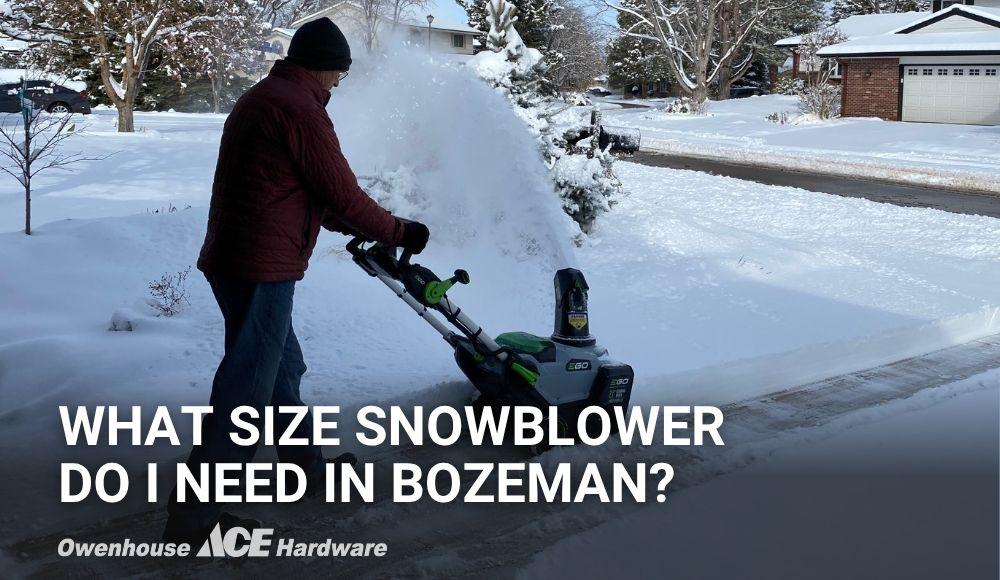
If you’re buying your first machine or replacing one that’s no longer keeping up, start with the space you actually clear. A short paved driveway, a long gravel drive, and the sidewalks around a rental property call for different equipment. Your budget and the space left in the garage matter, too. The skis aren’t going to store themselves.
So, what size snowblower do I need? For a smaller paved driveway, a compact single-stage machine is a good place to start. For a larger area, gravel, or heavy plow piles, compare two-stage models. Here’s how to narrow it down before you shop.
Start with Your Driveway and Your Morning Routine
Measure the area you need to clear, including the sidewalk and the path to the front door. Then think about when you’ll use the machine. Do you head out while the snow is fresh, or come home after it’s had a day to settle and get driven over?
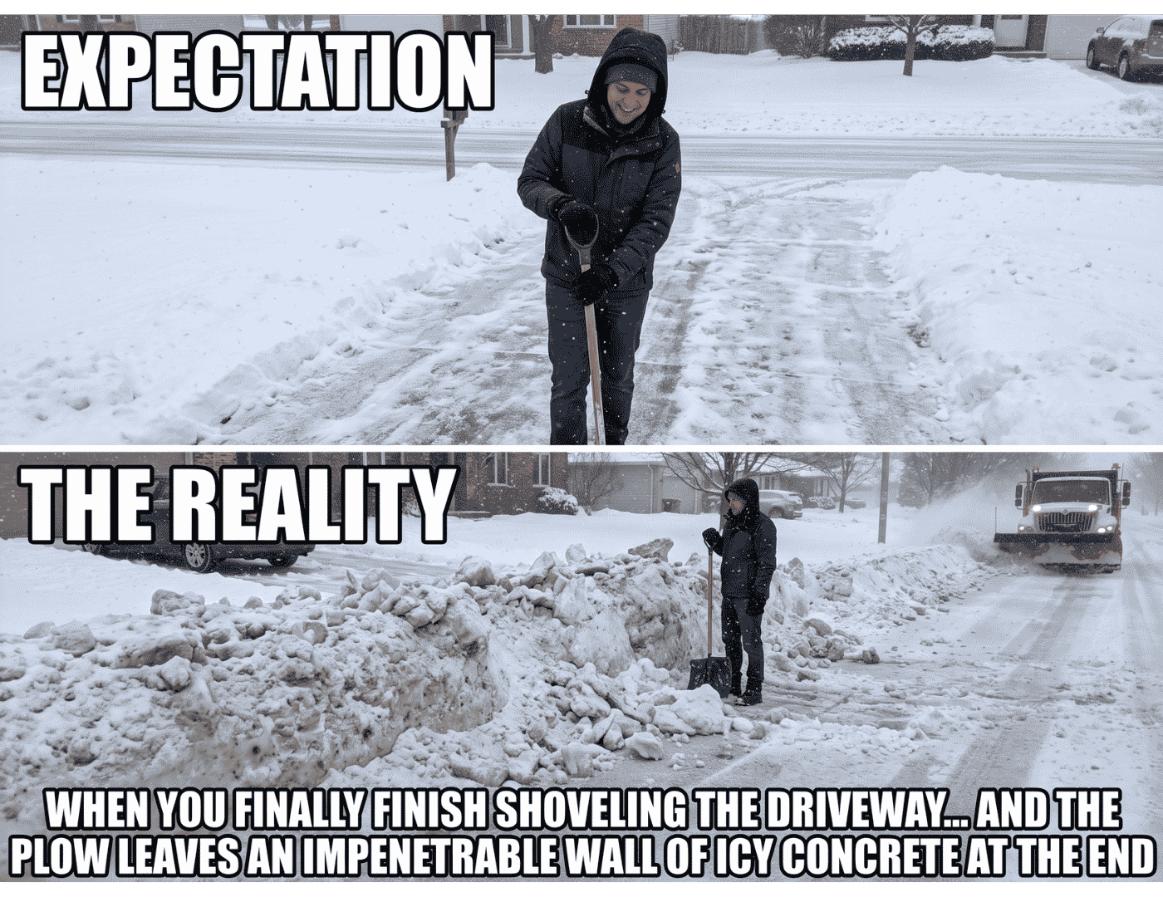
- Your driveway’s length, width, and surface.
- Any narrow gates, walkways, slopes, or tight turns.
- Where you can put the snow without blocking another path.
- The opening and floor space where you’ll store the machine.
- Your budget, including batteries and a charger if needed.
Clearing width tells you how wide a path the machine makes in one pass. More width can mean fewer passes, but you’ll still need to steer it around the car and get it through the shed door. Check the machine’s overall dimensions separately.
| What you clear | A starting point to compare | What to check next |
|---|---|---|
| Short, smooth paved driveway and sidewalk | Compact single-stage models, such as 18- to 21-inch machines | Storage, handling, and the model’s snow capacity |
| Wider driveway, deeper snow, or dense plow piles | Two-stage models, such as 24- to 28-inch machines | Drive system, turning, and chute controls |
| Gravel drive | A two-stage model approved for gravel | Manufacturer’s instructions and skid-shoe adjustment |
| Several properties or business walkways | Equipment suited to repeated use | Runtime or refueling, transport, and commercial warranty terms |
A Single-Stage Snowblower for Smaller Paved Spaces
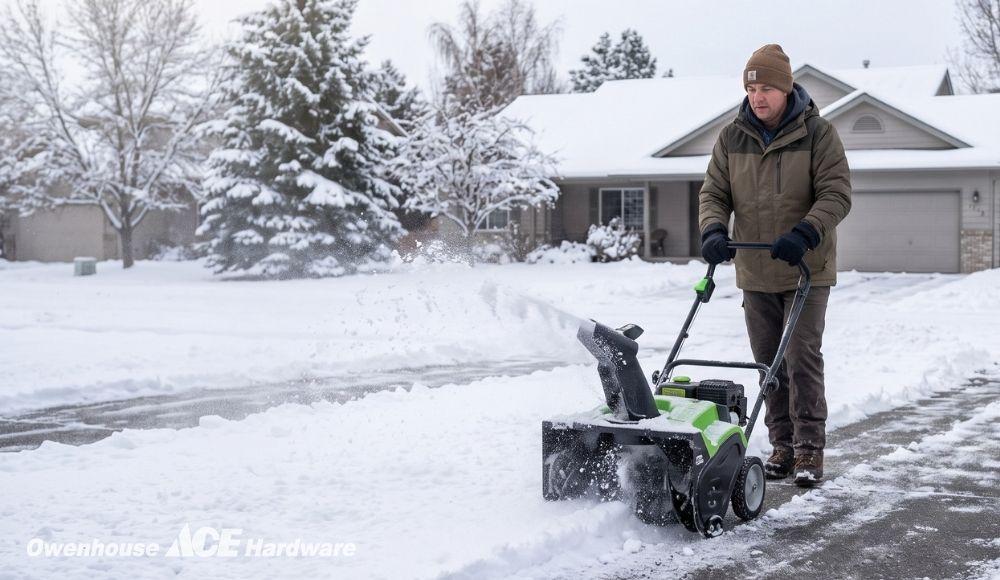
A single-stage snowblower uses an auger to gather snow and throw it through the chute. Many models are compact enough to make sense for a smaller paved driveway and the sidewalk out front.
If you’re a new homeowner trying to fit winter equipment beside the bikes and lawn mower, start here. Compare the handle setup, storage dimensions, and how easily you can turn the machine. A model you can comfortably manage is a better purchase than one you dread pulling out.
A Two-Stage Snowblower for a Bigger Clearing Job
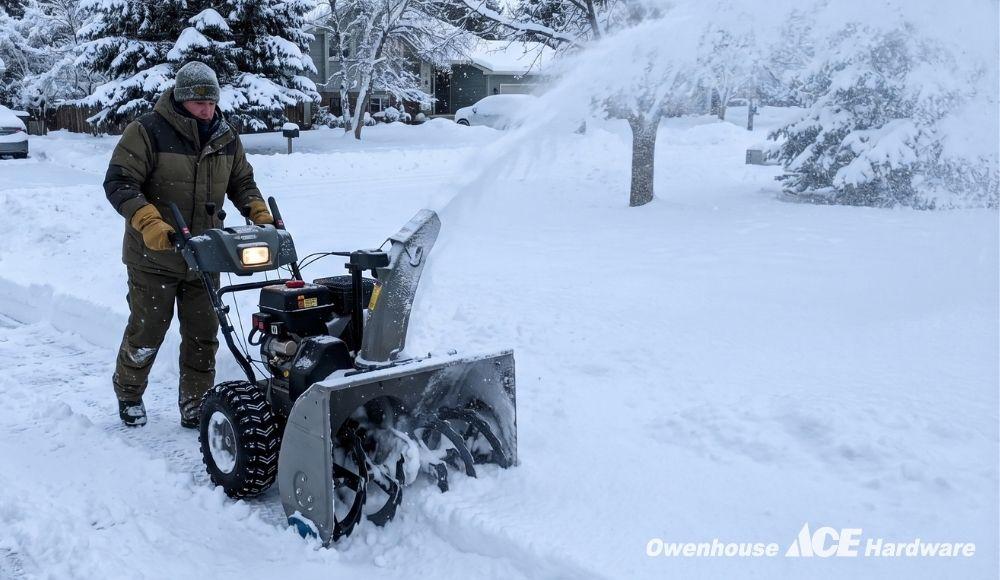
Two-stage machines use an auger to collect snow and a separate impeller to throw it. They’re worth comparing when you have more ground to cover, deeper accumulation, or heavy snow left by the street plow.
For a longer driveway or a property outside town, pay attention to the drive system and turning controls as well as clearing width. You’ll be using those features every time you work around parked vehicles or turn at the end of a pass.
Bring a photo of your driveway when you visit our Power Equipment Department. It can help explain the layout, especially if you’ve got a slope, a narrow entrance, or an awkward spot for piling snow.
Gas or Battery Depends on How You Use It
Gas and battery describe the power source.
Single-stage and two-stage describe how the machine moves snow.
You can compare both decisions together.
Gas equipment may suit you if you’re familiar with small-engine maintenance and want to refuel as you work. Plan for the fuel, oil, and service your model requires. Following its maintenance schedule is part of the purchase.
Battery equipment is worth a look if you’d rather skip gasoline and engine oil. EGO offers both single-stage and two-stage snowblowers, so choosing battery power doesn’t automatically mean choosing a smaller machine.
Already have EGO equipment? Check battery compatibility and the capacity the snowblower needs. Owning a battery for a trimmer doesn’t necessarily mean you have the full setup for clearing the driveway. Compare the complete kit price, including the required batteries and charger.
Ask how the manufacturer’s runtime estimate applies to your clearing area and snow conditions. For multiple properties, think through spare batteries, charging time, or refueling before settling on a machine.
Three Snowblowers to Compare with Our Team
For a smaller paved driveway, Rob from Downtown Owenhouse Ace recommends:
EGO Power+ SNT2112 21-inch Single-Stage Battery Snow Thrower (with 5.0 Ah battery)

“If you’ve got a smaller paved driveway and want to skip gas-engine upkeep, this is one I’d put on your comparison list. EGO focuses exclusively on battery-operated, brushless motor equipment and has been setting the industry standard for 16 years. They offer exceptional performance for the price. When you buy this, we highly recommend going with the kit rather than the ‘tool-only’ option. Financially, it’s a no-brainer—for a minimal price difference (sometimes just $20), you get a high-value $200 battery and an $80 charger included.”
Toro Power Max 824 or 724 Two-Stage Gas Snowblower
“For a larger clearing area or heavier snow, I’d compare a two-stage gas machine like the Toro 824 or the slightly smaller 724. Before you decide, think about where you’ll store it and how you’ll turn around parked cars. You’ll also want to be comfortable keeping up with the fuel and engine maintenance.”
EGO Power+ SNT2405 24-inch Two-Stage Battery Snow Thrower
“If you’re looking at two-stage machines but would rather use batteries, this is another fantastic option to compare. You get the power needed for heavier Montana snowdrops without dealing with gas, and again, taking advantage of EGO’s kit strategy means you’ll be getting incredible value on the necessary batteries and chargers to keep you running. Let’s talk through your driveway and how long you expect to work, especially if you’re clearing more than one property.”
Clearing Snow for a Business or Rental Property
If you’re responsible for entrances and walkways at several properties, your buying checklist gets a little longer. Think about who will operate the machine, how you’ll move it between sites, and where it will be stored.
Ask about equipment intended for your workload and the warranty terms for business use. Also consider backup supplies so one empty battery or missing part doesn’t interrupt the whole morning.
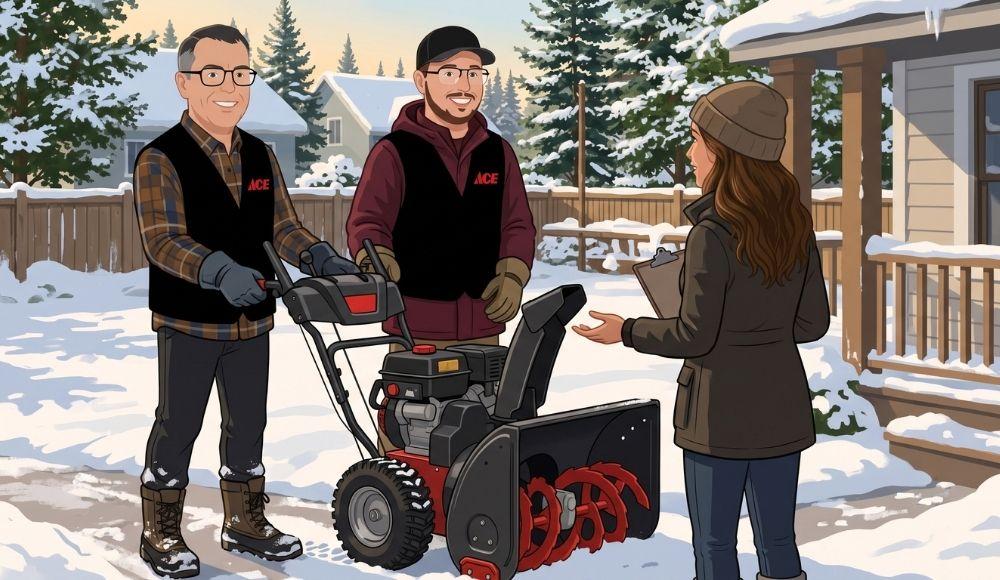
Give Your Current Snowblower a Check Before the Next Storm
If you already own a snowblower, pull it out and check it before you need it in a hurry. Follow the manual for inspections, maintenance, and safe operation. If something isn’t working as it should, now is a good time to ask about service.
Our Parts & Repair Shop at Owenhouse West services single-stage and two-stage snowblowers. Call the shop at 406-587-5405 to ask about your model and current turnaround times.
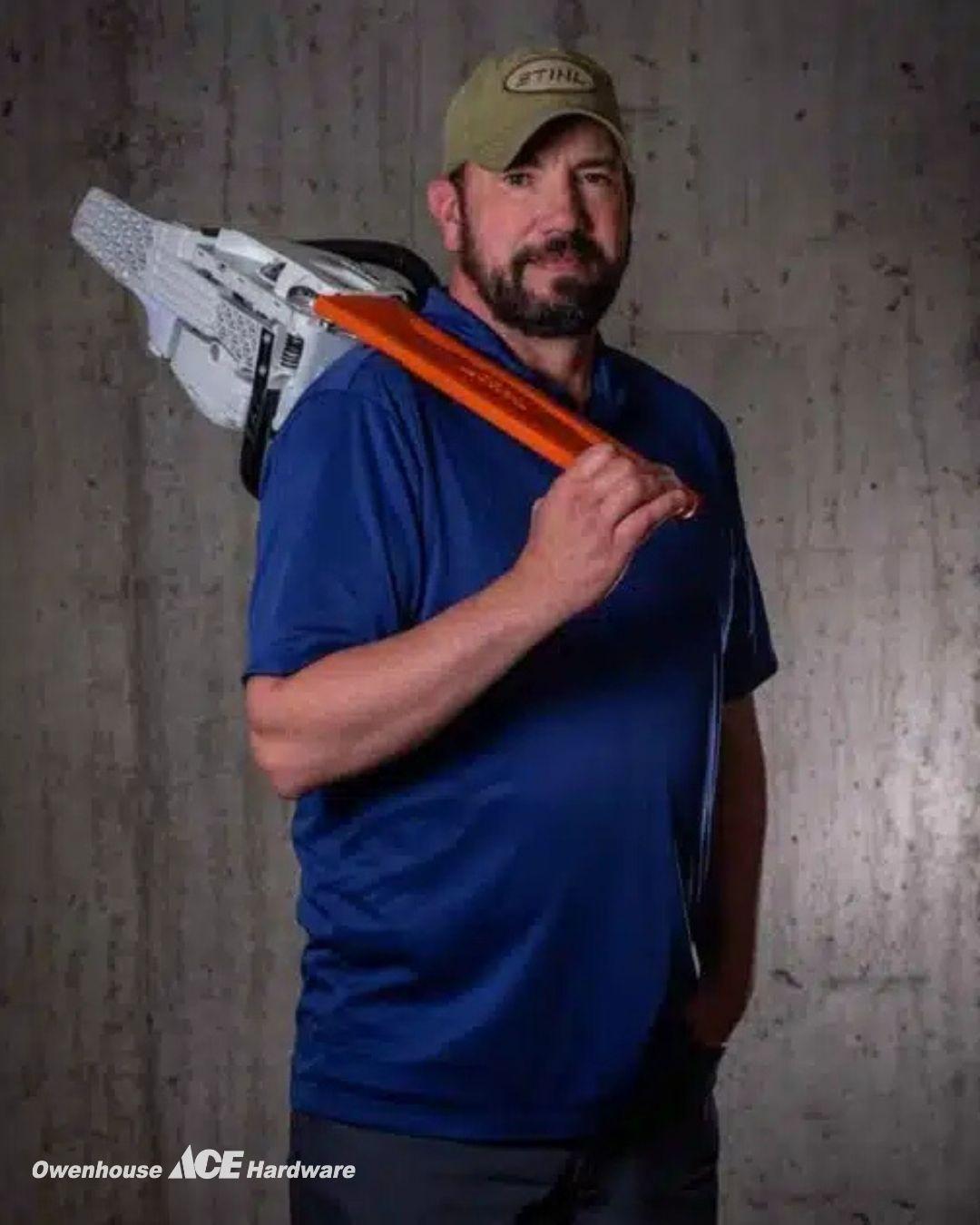
“Don’t wait for a snowstorm to find out whether your snowblower starts. Pick a clear day, follow the manual’s preseason checks, and test your gas machine outdoors. If it struggles to start or something doesn’t work properly, give us a call while you’ve still got time to sort it out.”
Keep a Shovel Handy Too
Even with a snowblower, you’ll want a shovel for steps, tight corners, and the snow around a parked car. Check yours before the next storm. A loose handle is much easier to deal with when you’re not already late for work.
Find a Snowblower That Fits Your Bozeman Home
Take your measurements, choose a few models to compare, and check what’s available through your local Owenhouse store. If you’re unsure about a feature, bring your questions and a driveway photo. We’ll help you work through the options!