
Gardening in Bozeman during the summer can be fun, but also surprisingly challenging. Between the intense high-altitude sun, low humidity, dry winds, and stretches without meaningful rainfall, even well-established gardens can start showing signs of stress.
The good news? Just a few simple adjustments will help your flowers, vegetables, and landscaping stay healthy through the hottest weeks of summer!
Keep reading and you’ll know exactly what you need for gardening during summer in Bozeman, Montana 👇!
Surviving Bozeman’s July Heat
Many gardeners assume Montana’s cooler nighttime temperatures protect plants from heat stress (and it’s okay! We’ve all been there).
While those cooler evenings certainly help, daytime temperatures combined with strong UV exposure can quickly dry out soil and stress roots (ouch).
Common signs of heat stress include:
- Wilting during the afternoon
- Brown leaf edges
- Slow vegetable production
- Blossom drop on tomatoes and peppers
- Hanging baskets drying out daily
- Cracked or compacted soil
… And if you’re seeing these symptoms, it’s time to focus on:
- Watering efficiency
- Soil protection
- Root health!
3 Tips For Strategic Hydration During Bozeman’s High-Altitude Heat Waves
Tip 1: Apply The Early Morning Watering Rule to Reduce Evaporation
One of the biggest mistakes we see is watering during the middle of the day.
When temperatures climb, and the sun is directly overhead, a surprising amount of water evaporates before it ever reaches plant roots. Instead, water between 5AM and 9AM whenever possible.
Benefits include:
- Less evaporation
- Deeper root absorption
- Reduced plant stress
- Lower risk of fungal issues compared to evening watering.
For most established gardens, a deep soak two to 3 times per week is better than shallow daily watering.
Tip 2: Avoid Overhead Sprinklers On Windy Days
Traditional sprinklers can work, but Bozeman’s afternoon winds often send water everywhere except where it’s needed.
Overhead watering can also:
- Increase evaporation
- Wet foliage unnecessarily
- Promote disease in certain crops
- Create uneven watering patterns
If you’re relying on a standard sprinkler, try running it early in the morning before the wind picks up.
Tip 3: Upgrade to Drip Irrigation and Automated Hose Timers
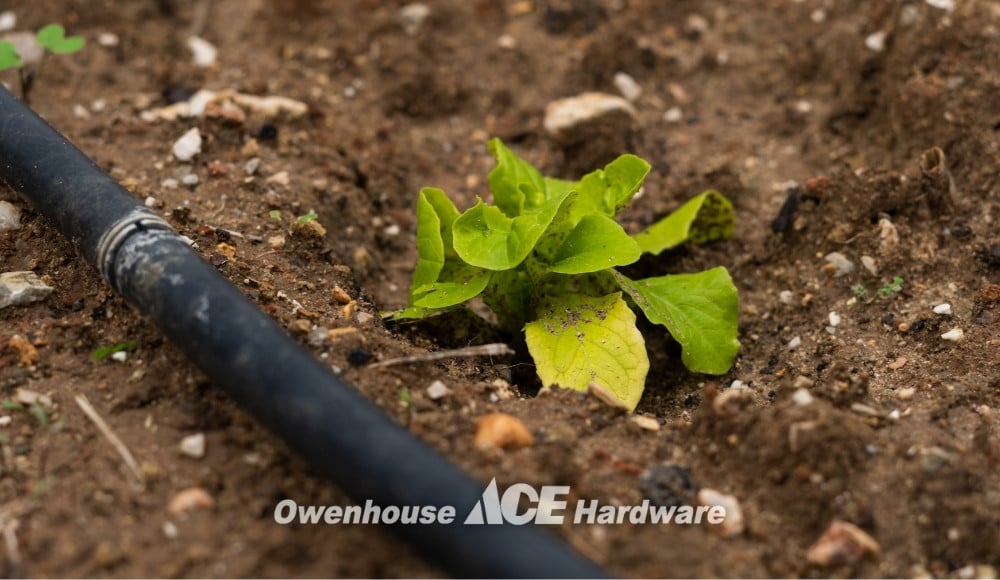
For many homeowners, drip irrigation is the easiest way to improve watering efficiency. Drip systems deliver water directly to the root zone where plants actually need it.
Pairing a drip system with an automatic hose timer means your garden gets watered consistently (even when you’re headed to the lake, camping, or out enjoying a Montana weekend)!
Helpful products include:
- Orbit Programmable WiFi Hose Faucet Timer
https://www.acehardware.com/departments/lawn-and-garden/watering-and-irrigation/sprinkler-timers/7040601 - Raindrip Drip Irrigation Plant Watering Kit
https://www.acehardware.com/departments/lawn-and-garden/watering-and-irrigation/drip-irrigation-kits/7381031 - Pocket Hose Expandable Flexible Garden Hose
https://www.acehardware.com/departments/lawn-and-garden/watering-and-irrigation/garden-hoses/F015598?variationProductCode=6084033
Many gardeners are surprised by how quickly a timer-and-drip setup pays for itself in water savings alone.
3 Tips For Protecting Roots and Managing Soil in Zone 4b
New to gardening in Zone 4b?
Southwest Montana’s climate comes with its own set of challenges, from late frosts to intense summer sun. Understanding your growing zone can help you choose the right plants, watering schedule, and garden care techniques.
Want to learn more about gardening in Montana? Click here for more info.
Tip 1: Protect Your Exposed Soil with Organic Mulch
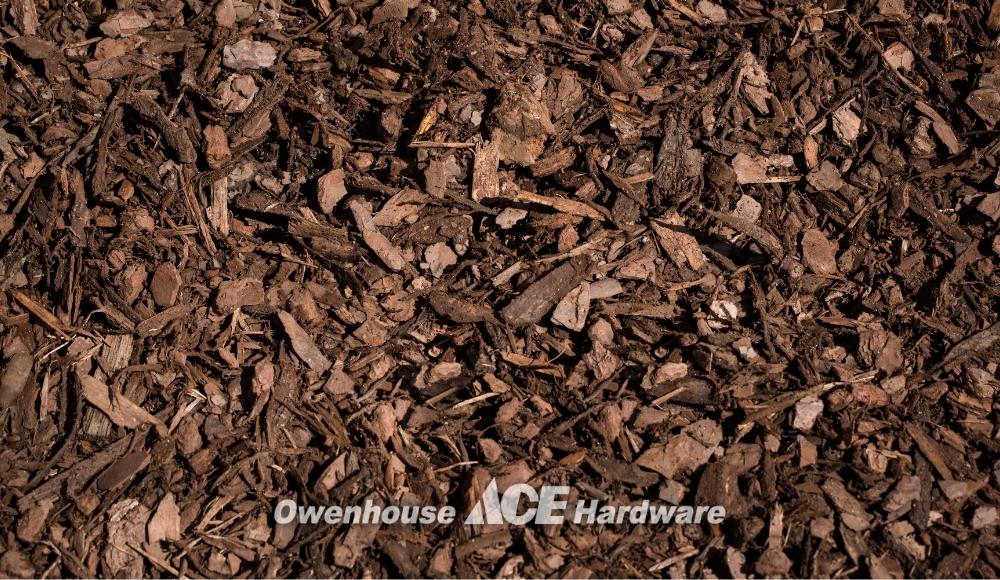
Think of mulch as sunscreen for your soil. The key thing to know is that bare soil can heat up dramatically during July, causing moisture loss and stressing plant roots (not great, huh?).
Applying a 2 to 3-inch layer of mulch helps:
- Retain moisture
- Reduce watering frequency
- Suppress weeds
- Moderate soil temperatures
Natural wood mulch, bark, straw, and compost all work well in Montana gardens.
Mulch we recommend:
- Scotts Nature Scapes Black Bark Mulch
https://www.acehardware.com/departments/lawn-and-garden/landscaping/mulch/F011950?variationProductCode=7394703 - Miracle-Gro Multi-Colored Hardwood Mulch
https://www.acehardware.com/departments/lawn-and-garden/landscaping/mulch/7030903 - Ace Brown Cedar Mulch
https://www.acehardware.com/departments/lawn-and-garden/landscaping/mulch/75958
Tip 2: Keep Root Zones 10 Degrees Cooler During Summer Heat
Studies consistently show mulched soil remains significantly cooler than exposed soil during hot weather.
That temperature difference can mean:
- Better moisture retention
- Healthier root systems
- Less transplant shock
- Improved vegetable production
This is especially important for shallow-rooted plants like lettuce, spinach, strawberries, and annual flowers.
Tip 3: Replenish Heat-Stressed Soil with Organic Nutrients
Hot weather can slow nutrient uptake, especially in container gardens and raised beds. Mid-season feeding helps plants continue producing throughout the rest of the summer.
To give them the nutrients they need, look for organic fertilizers designed for vegetables and flowers.
Popular options include:
- Espoma Garden-tone Organic Granules Plant Food
https://www.acehardware.com/departments/lawn-and-garden/gardening/plant-food/F011324?variationProductCode=7135155 - Espoma Tomato-tone Organic Granules Plant Food
https://www.acehardware.com/departments/lawn-and-garden/gardening/plant-food/7135171 - Miracle-Gro Organic Granules Plant Food
https://www.acehardware.com/departments/lawn-and-garden/gardening/plant-food/F011576?variationProductCode=7039242
Apply according to label directions and avoid over-fertilizing during extreme heat.
3 Tips for Protecting Delicate Veggies and Container Gardens
If you wear a hat during a hot Montana summer, think about how much your delicate plants appreciate a little shade, too. Some vegetables, flowers, and container plants need extra protection to stay healthy through July’s hottest days.
Tip 1: Use Shade Cloth to Prevent Leafy Greens from Bolting
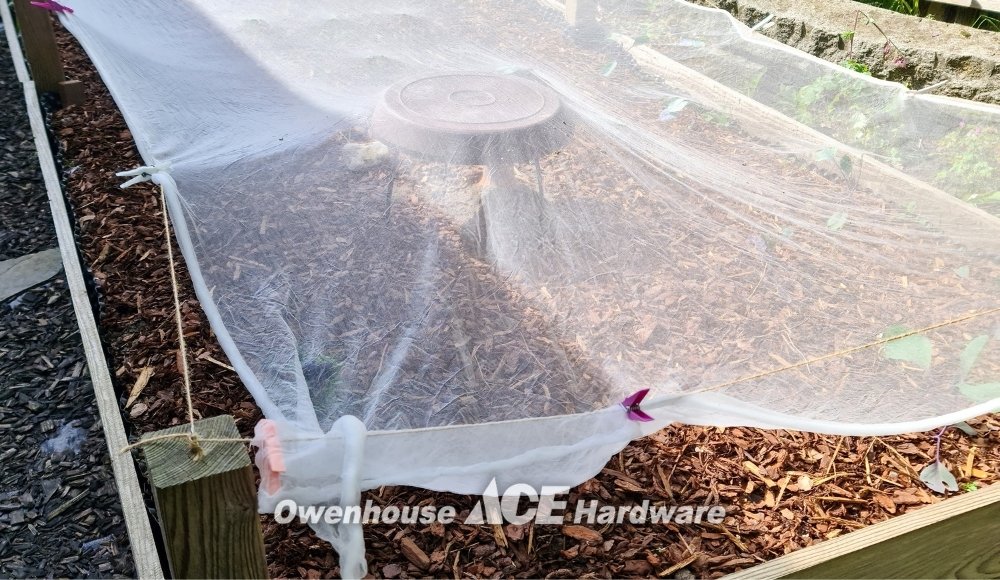
Bozeman gardeners often see lettuce, spinach, and cilantro bolt once temperatures rise. A simple shade cloth can reduce heat stress and extend harvests for several weeks.
Shade cloth works particularly well for:
- Lettuce
- Spinach
- Kale
- Herbs
- Young seedlings
Even 30% shade can make a noticeable difference during hot stretches!
Products we recommend
- Ace Polyethylene Shade Cloth https://www.acehardware.com/p/7515133
- Greenscapes Garden Netting to protect from birds and animals https://www.acehardware.com/departments/lawn-and-garden/gardening/foliage-protection/7024580
Tip 2: Revive Scorched Hanging Baskets
July is when many hanging baskets start looking tired. If your baskets are drying out every day, try:
- Watering thoroughly in the morning
- Deadheading spent blooms
- Applying a liquid fertilizer every 1-2 weeks
- Moving baskets to afternoon shade when possible
Many customers assume a struggling basket is finished for the season, but a little attention often brings it right back to life.
Products we recommend
- Fiskars Pruners
https://www.acehardware.com/departments/lawn-and-garden/gardening-tools/pruning-tools/7100365 - Miracle-Gro Pour & Feed Liquid Plant Food
https://www.acehardware.com/departments/lawn-and-garden/gardening/plant-food/F011585
Tip 3: Prevent Blossom End Rot on Backyard Tomatoes
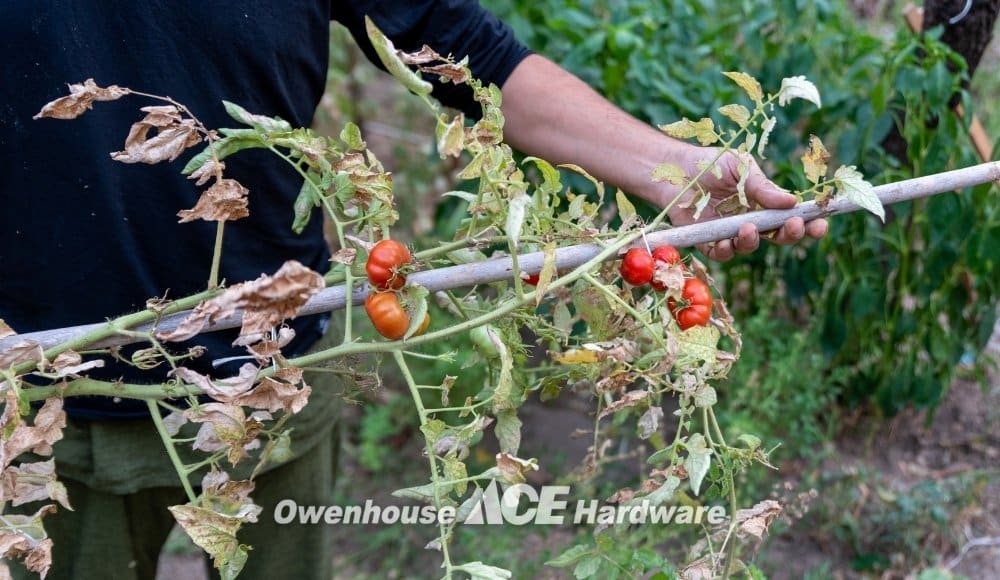
If you’re seeing black or brown spots on the bottoms of tomatoes, you’re likely dealing with blossom end rot.
The issue usually isn’t a lack of fertilizer. It’s often caused by inconsistent watering.
To reduce problems:
- Maintain even soil moisture
- Mulch around plants
- Avoid letting soil completely dry out
- Water deeply rather than frequently
- Tomatoes thrive when moisture levels remain steady.
And for additional guidance on choosing plants that naturally handle Montana’s climate we’ve got you! Check out our Planting Guide for Montana Native Plants and drought-tolerant landscaping.
Visit Owenhouse Ace for Local Gardening Advice
Every yard, garden, and growing season is a little different in Southwest Montana. If you need help troubleshooting a problem or choosing the right products, our team is always happy to share advice tailored to local conditions.
Elevation, sun exposure, wind patterns, soil conditions, and irrigation setups all affect how plants perform during the hottest part of summer. That’s a lot of factors to keep an eye on, and if they’re overlooked, your garden can start showing signs of stress in just a few days.
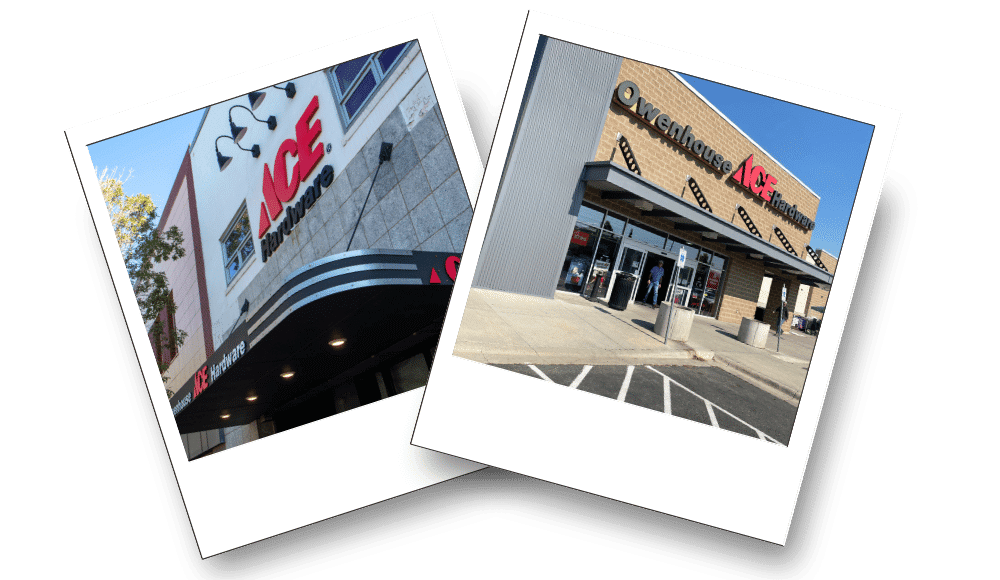
Stop by Owenhouse Ace Hardware Downtown or West and talk with one of our garden experts. We’ll help you find the right solutions so your garden can keep thriving long after the July heat arrives.